
 RSS Feed
|
The last two years has seen an incredible shift in the way we work. In response to the pandemic, lockdowns and office closures forced companies to quickly adopt a Working From Home (WFH) model. 18 months into the pandemic, this model has not only proven to be effective, it has revealed some surprising benefits, and has become an entrenched behaviour in workplaces throughout the world. As a permanent and full time model however, WFH cannot be solely relied upon. We have seen enough to give us an idea of what 2022 will look like for workplaces. As we approach our vaccination targets, we can hope for fewer lockdowns and a return to the office. But what will that office look like upon our return? 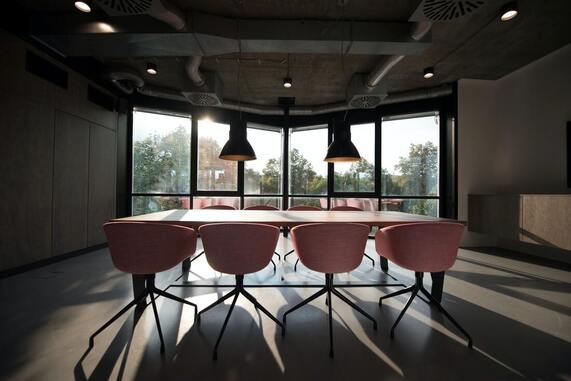 BRM is assisting clients to shape their “new” workplaces. This process involves careful consideration of what their workspace will look like, where it will be located and how a suitable Work From Home balance can be achieved. This, in addition to other key factors , will allow companies to create an office that accommodates the needs of its returning staff. How Working From Home Will Affect The Office Footprint In early 2020 offices were mothballed and stayed that way through much of the year. By the time they re-opened in 2021, this experiment was a management-endorsed practice, encouraged and legitimised as an effective tool. Despite some significant drawbacks of WFH, it remains a staff preference and is already influencing leasing decisions. Throughout 2020, many leasing decisions were put on hold, with corporate occupiers happy to kick the can down the road for 6-12 months. But having experienced the reality of empty offices over long periods, tenants are not only understanding the financial benefits, they are also questioning the importance of the office’s role in these new flexible working arrangements. While many property owners and leasing agents maintain the market is fine and the CBD is still the epicentre, occupiers are no longer prepared to pay for empty offices for a further 12-18 months. The industry is now at a crossroad. Leases are typically 3-5 years, with options and investment in fitout. However, Delta has changed the game and Working From Home will continue to be the reality. In 2020, what was considered an “early adopter” decision to hand back space has rippled out in 2021 with a growing wave of downsizing, releasing surplus square metres and camping in co-working facilities. While Working From Home is the only option right now for most, it is not the ideal long term solution. Workers are feeling less connected, culture is hurting, recruitment and training is difficult, companies are fragmenting and a virtual working environment doesn’t suit every individual or team. These downsides need to be considered before reducing a company’s office footprint. The New Role Of The Office Through a series of staff surveys conducted by BRM, together with our workplace strategy and property advisory services, we see less pressure to have one office in a centralised location. This is due to the following trends: 1. Workplaces are increasingly shifting to a Hub and Spoke approach, whereby the central office is the home for decision making and social connection and the home office or local co-working is the “spoke”. Staff are spread out through these spokes according to their location and role, allowing for greater flexibility, but the core office remains for management and culture building. 2. There is a demographic trend of employees relocating to regional areas for health and lifestyle reasons. We also face a more distributed staff with greater employment of interstate and international resources. 3. Currently, it is an employee’s market, and professional staff are more likely to be transient. 4.Staff prefer to work from home. From the surveys we have conducted in 2021, the preference when not in lockdown, is to work from home 2-3 days a week. While this is tipped to reduce once lockdowns ease, the assumption is that most companies will allow 1-2 days per week of WFH, depending on the role. Despite a possible reduction in footprint, the role of the “new” office will still be pivotal. So what will it look like? Central offices will no longer be a sea of workstations. Instead, they will become a focal point to collaborate, connect and build company culture. The office will be a showpiece, reflecting brand values. It will be used to attract staff, with design playing a pivotal role in supporting staff needs. Spaces within the office will be used flexibly and elements like acoustics, health, quiet spaces and shared and private resources will feature strongly. Health, safety and wellness, will become a key factor in how companies select buildings. Fresh air, due diligence on engineering services, touch free upgrades, end of trip facilities and safe and easy access are just some of the requirements that employees will be looking for next year and companies will be under pressure to deliver. We will likely see a flight to quality as tenants upgrade to better spaces with a smaller footprint, to retain and attract their staff. The Need For A Plan
These types of offices will not be created overnight and planning is needed for the transition to be effective. Last year, the main concern was keeping workers safe. Next year’s return will focus on how we can live and work alongside the virus. The pandemic has resulted in significant changes to our working behaviour. Responding to these changes with a carefully planned property strategy could make the difference in how easily your company manages its return. How BRM Can Help Our experience in workplace strategy, property advice and design has allowed us to help companies navigate through important leasing decisions throughout the pandemic. BRM’s team of experts can help you answer some of the key questions right now:
We work together with you to find the best property solution through running staff focus groups, creating and delivering your property strategy and providing expert design that reflects the direction of your workplace. Let’s Chat Reach out to us to discuss your situation Comments are closed.
|
Sign Up To Our NewsletterArchives
September 2023
Categories
All
|
BRM |
QUICK LINKS
|